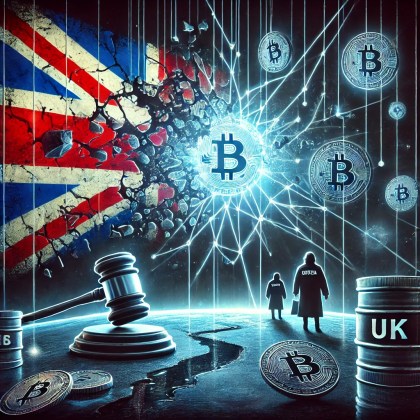
The UK just dropped a hammer on a massive cryptocurrency network allegedly helping Russia dodge sanctions. This network, using a ruble-backed stablecoin, moved billions of dollars, and the UK is not happy.
Targeting a Ruble-Backed Stablecoin
The UK government sanctioned several banks, crypto exchanges, and individuals involved in a $9.3 billion stablecoin called A7A5. This stablecoin, designed to mirror the Russian ruble on the blockchain, was apparently a key part of Russia’s plan to get around international sanctions imposed after the invasion of Ukraine. This action builds on over 2,700 existing sanctions against Russia and follows similar moves by the US.
Key Players Sanctioned
The sanctions hit some big players:
- Capital Bank of Central Asia and its director, Kantemir Chalbayev: Accused of funding Russia’s military.
- Grinex and Meer: Two Kyrgyz crypto exchanges allegedly central to the A7A5 stablecoin’s $9.3 billion in transactions over just four months.
- Other entities: This includes Altair Holding (Luxembourg), CJSC Tengricoin, Old Vector, and A7A5 director Leonid Shumakov.
UK Sanctions Minister Stephen Doughty made it clear: Russia can’t just use crypto to launder money and avoid the consequences of its actions.
Grinex, by the way, is reportedly a successor to Garantex, another Russian-linked exchange that previously faced regulatory action. Tether even froze $27 million linked to Garantex earlier this year.
Kyrgyzstan’s Response and the Bigger Picture
Kyrgyzstan’s President, Sadyr Japarov, wasn’t thrilled with the UK’s move. He denied any widespread involvement of Kyrgyz banks in helping Russia evade sanctions, saying only the state-owned Keremet Bank (which the US already sanctioned) handles ruble transactions. He emphasized Kyrgyzstan’s commitment to international agreements but also fiercely defended his country’s economic interests.
This whole situation highlights a growing concern: cryptocurrency networks are becoming increasingly important tools for countries trying to bypass sanctions. Both the US and UK are cracking down, arguing that these platforms weaken the impact of global sanctions.