
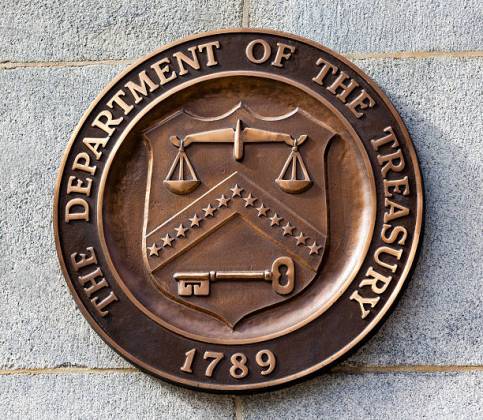
The US Treasury is asking for your input on how to implement the new GENIUS Act, a law designed to regulate stablecoins. This follows a previous request for ideas on spotting illegal activity related to stablecoins.
What’s the GENIUS Act?
The GENIUS Act (Guiding and Establishing National Innovation for US Stablecoins) aims to create rules for companies that issue stablecoins – digital currencies pegged to the value of a real-world asset, like the US dollar. The goal is to encourage innovation while protecting consumers and preventing financial crime.
Your Input Matters
The Treasury’s request for comments is open for 30 days. They want to hear from everyone – individuals, businesses, and experts – on how best to put the GENIUS Act into practice.
Key Questions the Treasury Wants Answered:
- How much money should stablecoin companies keep in reserve?
- Are there good examples of stablecoin regulation from other countries?
- What rules should there be about how stablecoins are marketed?
- How should federal and state governments share responsibility for overseeing stablecoins?
- How should existing anti-money laundering laws apply to stablecoins?
What’s Next for Crypto Regulation?
The GENIUS Act is a big step, but it’s not the only thing happening in US crypto regulation. The Senate is also planning a vote on another bill, the Responsible Financial Innovation Act 2025, which aims to clarify the roles of different government agencies in overseeing crypto. This updated bill addresses important issues like whether blockchain developers should be considered financial institutions and whether NFTs are securities.