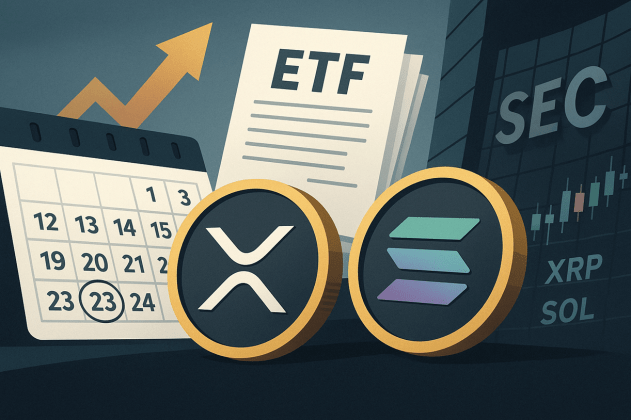

The US Securities and Exchange Commission (SEC) is making some big changes to how Bitcoin and Ethereum exchange-traded funds (ETFs) work. Several ETF providers have asked the SEC to let them use a more efficient way of creating and redeeming ETF shares.
What’s Changing?
Currently, these ETFs use a “cash” system. When someone buys shares, the ETF buys Bitcoin or Ethereum with cash. When someone sells, the ETF sells the crypto for cash. This creates some problems, especially when trading volume is high.
The proposed change is to switch to an “in-kind” system. This means authorized participants (think big Wall Street firms) can directly trade Bitcoin or Ethereum with the ETF, instead of cash. This is how many other commodity and equity ETFs already operate.
Why is this a Big Deal?
The in-kind system offers several advantages:
- Efficiency: It makes creating and redeeming shares much smoother, especially during busy trading periods. This should lead to tighter spreads (smaller differences between the buying and selling price).
- Tax Advantages: It can result in better tax efficiency for investors.
- Reduced Market Impact: The ETF won’t need to buy and sell large amounts of crypto in the open market, reducing price volatility.
What it Means for You
This change primarily affects large financial institutions, not individual investors. You won’t be able to directly trade your ETF shares for Bitcoin or Ethereum. While the possibility of individual in-kind redemption might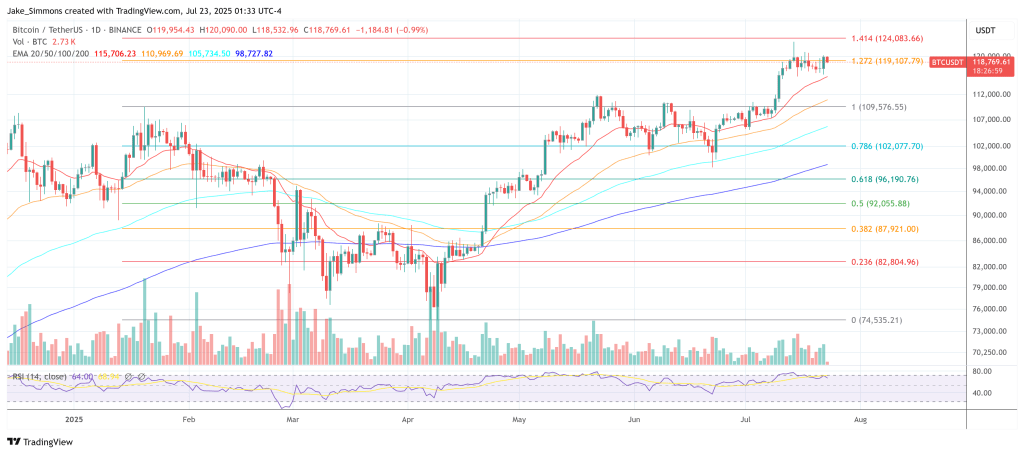 happen someday, it’s likely a long way off. Think of it as a behind-the-scenes improvement that will make the ETFs run more smoothly. The average investor will likely see little to no direct impact.
The Big Picture
This move suggests the SEC is becoming more comfortable with crypto ETFs. The significant net inflows into Bitcoin ETFs since their approval earlier this year (nearly $55 billion!) have likely put pressure on the market-making process, highlighting the need for a more efficient system. The in-kind method mirrors how other commodity ETFs (like gold ETFs) operate, providing a precedent for the SEC’s approval. The change is a positive sign for the future of crypto ETFs.