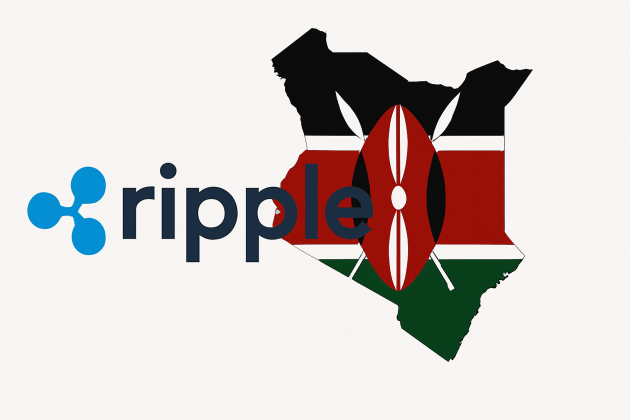
Ripple recently completed a successful trial run of its stablecoin, RLUSD, in Laikipia North, Kenya. This four-month project used the stablecoin as a drought insurance program for local farmers.
Protecting Pastoralists from Drought
The program, a partnership with Mercy Corps Ventures and DIVA Donate, insured 517 pastoralists (70% women) against feed shortages. The system worked by using satellite data to monitor vegetation levels. If the vegetation levels dropped below a certain point, indicating a drought, the insured farmers would receive payouts in RLUSD.
A Successful Test Run (No Payouts Needed!)
Luckily, during the March-to-June pilot period, vegetation levels remained healthy. This meant no payouts were needed, and the RLUSD remained in the program for future use. This is actually a positive outcome, showing the system worked as intended in a non-drought year.
Expanding the Program
The next phase of the project will expand to 533 households and aims to raise $40,000, building on funds left over from previous projects.
More Than Just Insurance
For Ripple, this wasn’t just about providing insurance; it was a real-world test of RLUSD’s capabilities. The stablecoin, launched in late 2024, is gaining traction, recently surpassing $500 million in circulation and partnering with Bank of New York Mellon.
The Future of Aid?
This project highlights the potential of using blockchain technology for humanitarian aid. By using smart contracts and satellite data, donors can verify that funds are managed transparently and released automatically only when needed. The success hinges on factors like satellite data accuracy, mobile money accessibility, and regulations surrounding stablecoins in East Africa. The team views the lack of payouts as a success, demonstrating the insurance worked as planned during a period of sufficient rainfall.