
El Salvador recently took a proactive step to protect its Bitcoin holdings from potential future threats. This involved a significant shift in how they manage their national Bitcoin reserve.
Moving Millions to Multiple Wallets
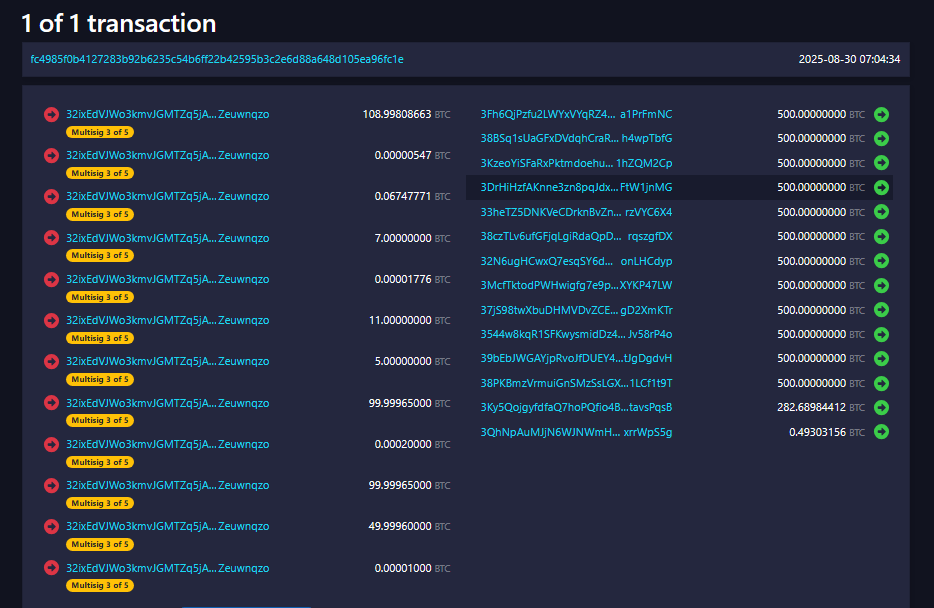
The country moved its 6,274 Bitcoin (about $678 million) from a single wallet into 14 separate wallets. Each new wallet holds a maximum of 500 Bitcoin. This strategic move, announced by the Bitcoin Office, aims to minimize the risk of a future quantum computing attack.
Why the Change? The Quantum Threat
The concern centers around the potential for powerful quantum computers to break the encryption protecting Bitcoin private keys. While this technology isn’t currently a threat, some experts believe that a sufficiently advanced quantum computer could potentially decrypt Bitcoin private keys revealed through past transactions. By spreading its Bitcoin across multiple wallets, El Salvador limits the potential damage from a single compromised wallet.
Is This a Real Threat?
Experts largely agree that a quantum computer capable of cracking Bitcoin’s encryption is still a long way off. However, it’s a potential future risk, and taking preventative measures now is a sensible precaution. The cost of implementing this security measure is low, making it a practical strategy.
What This Means for Others
El Salvador’s actions send a strong message to other large Bitcoin holders, such as governments and exchanges. This simple, low-cost strategy of diversifying Bitcoin holdings across multiple wallets is a readily available method to mitigate the theoretical, long-term risk of quantum computing. It’s a proactive approach that doesn’t require changes to Bitcoin itself.