
The SEC is making it clear: just because something’s on a blockchain doesn’t mean it magically avoids securities laws. Commissioner Hester Peirce, aka “Crypto Mom,” recently reiterated that tokenized assets, like shares of stock represented as tokens, are still considered securities under US law.
Tokenized Securities Are Still Securities
Peirce’s warning comes shortly after Robinhood announced its own blockchain for tokenizing assets. She emphasized that blockchain technology doesn’t change the fundamental nature of an asset. If it’s a security in traditional form, it remains a security when tokenized. This means companies need to register and follow all the usual disclosure rules before launching tokenized securities. This echoes previous statements from former SEC Chair Gary Gensler, who encouraged projects to engage with the SEC proactively.
While Peirce didn’t specifically name Robinhood, the timing of her statement is significant, given Robinhood’s recent proposal to facilitate trading of tokenized US stocks and ETFs for European users.
Congress Weighs In: The Digital Asset Market Clarity Act
Meanwhile, the House of Representatives is considering the Digital Asset Market Clarity Act. This bill aims to clarify the regulatory landscape, distinguishing between assets overseen by the SEC and those under the Commodity Futures Trading Commission (CFTC). It would define terms like “digital commodities,” “securities,” and “stablecoins,” potentially providing much-needed clarity for the crypto industry. Proponents argue it would reduce legal ambiguity and create a clearer path for tokenization projects.
Modernizing Regulations, But Not Yet
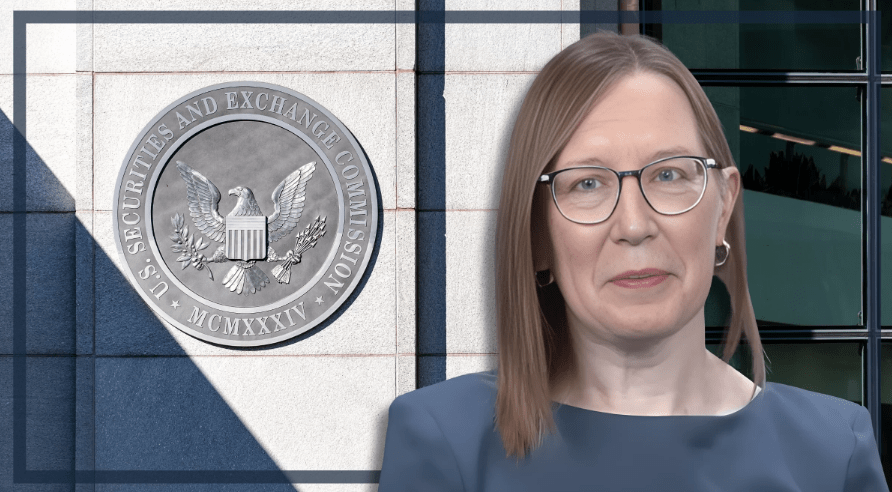
Peirce acknowledged the SEC’s willingness to update regulations to account for new technologies. However, until those changes are implemented, the existing rules for traditional securities apply to tokenized securities as well.
The Promise and Peril of Tokenization
Tokenizing securities offers potential benefits like faster settlement times and increased accessibility for smaller investors. However, risks remain. The security of the custodian holding the underlying assets is crucial. If the custodian fails, token holders could face significant losses.