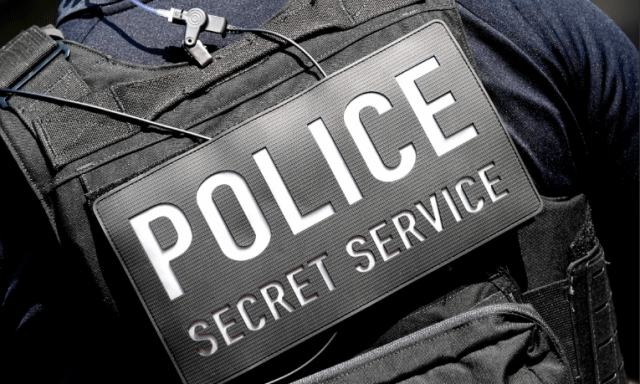
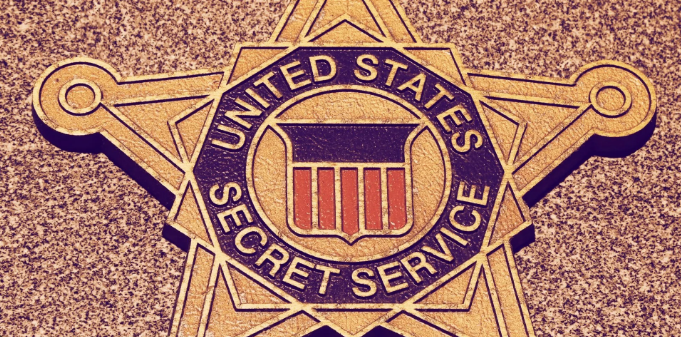
The US Secret Service just made a huge splash in the fight against cryptocurrency crime. In what’s being called the biggest crypto seizure in their history, they recovered over $225 million in stolen funds.
How it Went Down
This wasn’t a lone wolf operation. The Secret Service teamed up with cryptocurrency companies, including Coinbase and Tether, to track and seize the money. The whole thing hinged on blockchain technology, allowing investigators to trace the stolen funds as they moved across different platforms.
Coinbase’s Role
Coinbase investigators worked intensely with the Secret Service, tracking millions of dollars in suspicious transactions between February 26th and 29th, 2024. They identified transactions linked to over 130 scammed Coinbase customers who lost around $2.3 million. They even found that some of the stolen funds ended up in accounts on another exchange, OKX, often held by individuals detained in Southeast Asia.
Tether’s Action

Tether, a stablecoin issuer, played a crucial role. After receiving evidence from the Department of Justice (DOJ), they froze 39 wallet addresses containing approximately $225 million in Tether (USDT). They then “burned” these tokens—essentially removing them from circulation—and issued new USDT to the Secret Service. This whole process was transparently tracked on the blockchain.
A Record-Breaking Seizure
This $225 million seizure is a record for the Secret Service. The stolen funds were linked to “pig-butchering” scams, where fraudsters build relationships with victims online before convincing them to invest in fake schemes. Law enforcement is hailing this as a major victory, highlighting the importance of blockchain analysis in tracking stolen crypto.
Global Impact and Looking Ahead
This isn’t an isolated incident. Similar large-scale crypto seizures have happened in other countries, like Australia and Germany. This shows a growing global effort to crack down on crypto crime and sends a clear message: cryptocurrency isn’t anonymous.
The takeaway? Be wary of unsolicited investment offers, and expect exchanges to continue improving their tools to catch bad actors faster.