

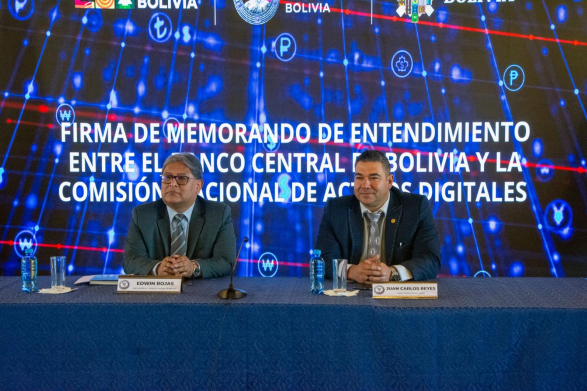
Bolivia and El Salvador are joining forces to figure out how to best use cryptocurrency. This unexpected partnership comes as Bolivia faces some serious economic challenges.
Bolivia’s Crypto Embrace
Bolivia recently lifted its ban on cryptocurrencies. Since then, crypto trading has exploded, reaching $294 million by June 30th of this year. That’s a huge jump from previous years. People are using Bitcoin and stablecoins like Tether for everyday purchases, especially in areas with limited banking access. Mobile wallets are becoming increasingly popular.
Why the Crypto Push?
Bolivia’s foreign currency reserves have plummeted. This makes it tough to pay for imports, leading the country to explore alternative solutions like accepting crypto for things like fuel purchases. Stablecoins, like Tether, are also gaining traction as people seek protection from the volatility of the Bolivian peso.
Learning from El Salvador’s Experience
El Salvador was the first country to adopt Bitcoin as legal tender. While it faced challenges (high fees, merchant adoption issues), Bolivia hopes to learn from El Salvador’s successes and mistakes. The agreement focuses on sharing knowledge, software, and best practices to ensure consumer protection and financial stability. However, specific details on implementation are still scarce.
Political Timing and Uncertain Future
Bolivia’s upcoming general elections add another layer of complexity. The outcome of the election could significantly impact the future of this crypto partnership. A change in leadership could easily alter the course of crypto adoption in Bolivia.
The Road Ahead
Both countries plan to regularly meet to discuss progress, share information, and explore ways to expand financial services to families and small businesses using crypto. The goal is to bring financial inclusion to those previously excluded from traditional banking systems.