
A new study predicts a massive increase in Bitcoin adoption among refugees by 2035. Let’s dive into the details.
Bitcoin’s Growing Role in Humanitarian Crises
The Digital Assets Research Institute (DARI) has released a report showing how Bitcoin is helping refugees. They estimate that around 329,000 refugees have already used Bitcoin to protect, move, or rebuild their savings after fleeing conflict. But this is just the beginning. The study projects that between 6.5 and 7.5 million refugees could be using Bitcoin by 2035 – a tenfold increase! This shift would make Bitcoin a crucial part of global aid efforts.
The researchers combined refugee data with cryptocurrency ownership rates and made some assumptions to arrive at these numbers. They considered factors like internet access and the likelihood of refugees owning Bitcoin, aiming for a conservative estimate.
Why Bitcoin? Not Stablecoins?
The report highlights why refugees choose Bitcoin over other cryptocurrencies, especially stablecoins. Bitcoin’s key advantages are its portability, resistance to censorship, and independence from failing banks. Unlike stablecoins like USDC, which can be frozen by issuers, Bitcoin operates peer-to-peer, making it ideal for those fleeing unstable situations. The study found no instances of refugees using stablecoins to escape conflict zones.
Real-World Examples
The report includes compelling real-life stories. One example is Fadey, a Ukrainian IT worker who escaped to Poland with Bitcoin stored on a USB drive after ATM withdrawal limits were severely restricted. Bitcoin allowed him to pay for essentials and continue his journey. Another example is Yusef Mahmoud from Gaza, who used Bitcoin crowdfunding to provide water, food, and fuel during a siege. Even in non-war situations, like the Nyiragongo eruption in the DRC, Bitcoin was used to distribute aid and create a local micro-economy.
Bitcoin: A Faster Path to Integration?
DARI argues that refugees with even small amounts of Bitcoin integrate faster into their new communities and need less public assistance. They can find housing, transportation, and work more quickly without relying on slow bureaucratic processes. This reduces the burden on host countries. The report urges governments to recognize self-custodied Bitcoin wallets as personal property and to create exceptions in anti-money-laundering regulations for humanitarian purposes.
The Future of Bitcoin and Refugees
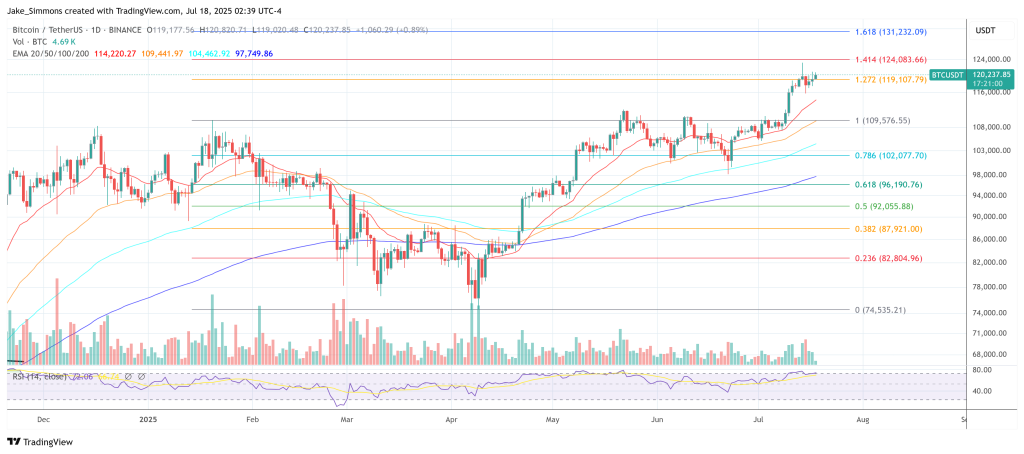
With millions displaced globally and Bitcoin adoption growing rapidly, the report calls for governments and NGOs to prepare for a future where Bitcoin plays a significant humanitarian role. Instead of focusing solely on Bitcoin’s potential for illicit finance, policymakers should acknowledge its potential to help refugees rebuild their lives. The report concludes by emphasizing the importance of supporting the responsible and rights-preserving use of Bitcoin in humanitarian contexts. (Note: BTC price at the time of writing was $120,237.)