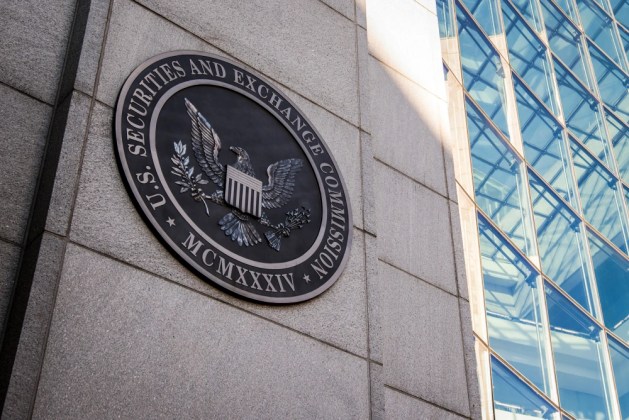
The Securities and Exchange Commission (SEC) has officially ended its investigation into PayPal’s stablecoin, PYUSD, after a year and a half. This comes as the US government shifts its approach to cryptocurrency regulation.
The SEC’s Decision
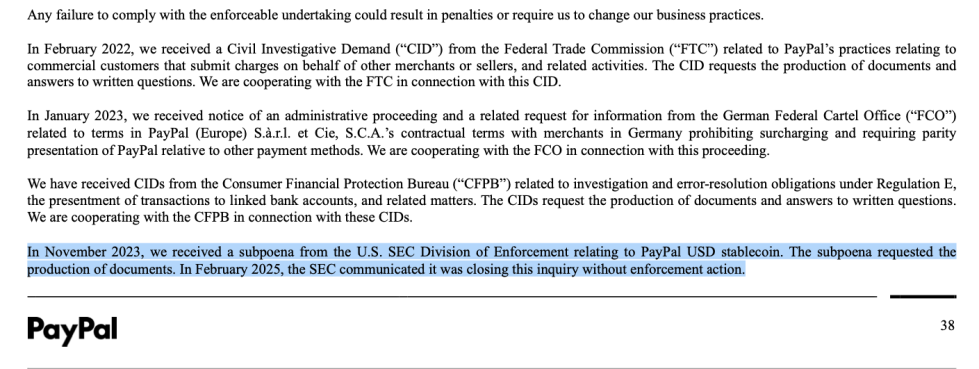
The SEC launched its investigation in November 2023, issuing a subpoena for documents related to PYUSD. PayPal cooperated fully. Then, in February 2025, the SEC closed the inquiry without taking any enforcement action against PayPal.
A Broader Shift in Crypto Regulation
This wasn’t an isolated incident. The SEC has been closing or dropping several other crypto-related cases around the same time. This change in strategy is linked to the creation of a new SEC Crypto Task Force, aimed at developing a clearer regulatory framework for cryptocurrencies. This new task force has led to pauses and dismissals in cases against major players like Binance, Gemini, Coinbase, Kraken, and Consensys, as well as the conclusion of probes into companies like Robinhood and Crypto.com, all without enforcement.
The Push for Crypto-Friendly Legislation
The US government’s shift towards a more crypto-friendly stance is also being driven by political pressure. There’s been a significant push to make the US a global leader in the crypto space, with lawmakers introducing various bills aimed at regulating stablecoins and other crypto assets. This includes the introduction of bills like the GENIUS Act, which seeks to create a regulatory framework for stablecoins like USDT and USDC under Federal Reserve rules. Even major banks, like Bank of America, are expressing interest in entering the stablecoin market, provided a clear legal framework is established. There’s even talk of a Senate vote on a stablecoin bill before Memorial Day.
In short, the SEC’s decision to drop the PayPal case reflects a broader change in how the US government is approaching cryptocurrency regulation, moving towards a more proactive and less enforcement-heavy approach.